From *Pointers to Pixels
Abhishek obtained his B.Tech in Computer Engineering at NITK in 2015. He currently works as a Graphics Programmer at Naughty Dog, a PlayStation studio. His shipped titles include The Last of Us Part II (2020) and Uncharted: Legacy of Thieves Collection (2022).


NITK Final Year (2014-2015)
Video games have always played an integral role in my life, and ever since I decided to study computer science, a voice in the back of my head assured me that it would, somehow, lead to game development.
However, without support in the form of information, prior success stories, or similarly inclined peers, this voice slowly receded into the background. It was drowned out by a need to excel at competitive programming, web development, machine learning, or whatever else the “next big thing” was for a budding computer engineer.
Such was my portfolio and skillset in the final year of NITK - geared towards web and mobile dev, which I thought was my path to success. I didn’t want to pursue a Master’s in computer science, as I didn’t have a larger goal that justified it at the time. Thus, I sat for placements and managed to get a job at Microsoft, where I hoped my passion would flourish into a fulfilling career.
Microsoft (2015-2017)
I joined Microsoft’s Dynamics 365 team as a software engineer, using mostly C# and JavaScript to expand on this massive enterprise application suite. The technical aspects of the work, the culture, and my colleagues were great - I felt I was constantly learning and supported by a great team.
However, whenever we had an all-hands or an update from our product manager, I realized I was not quite driven by the big picture - the kind of software that I was working on didn’t excite me. I wanted to spend the 8-9 hours of each workday on something I truly cared about. I downloaded the Unity game engine and developed two games in it over a few months. I noticed how eager I was to continue working on them after work, so I thought about taking things further and reviving the thought of pursuing a Master’s since I seemed to have the “larger goal” I was lacking earlier. This led me to SMU’s Guildhall program.
SMU Guildhall (2017-2019)
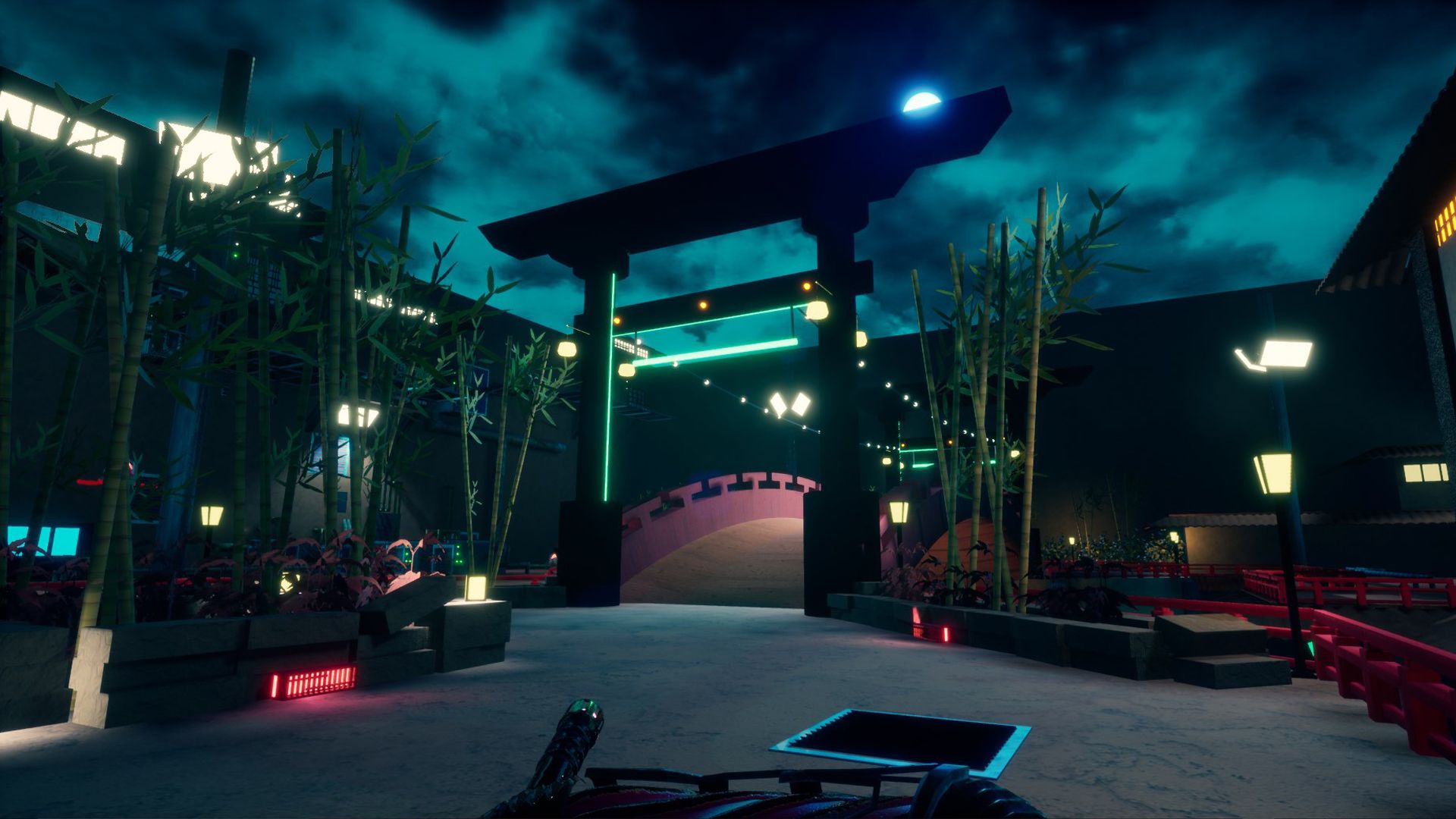
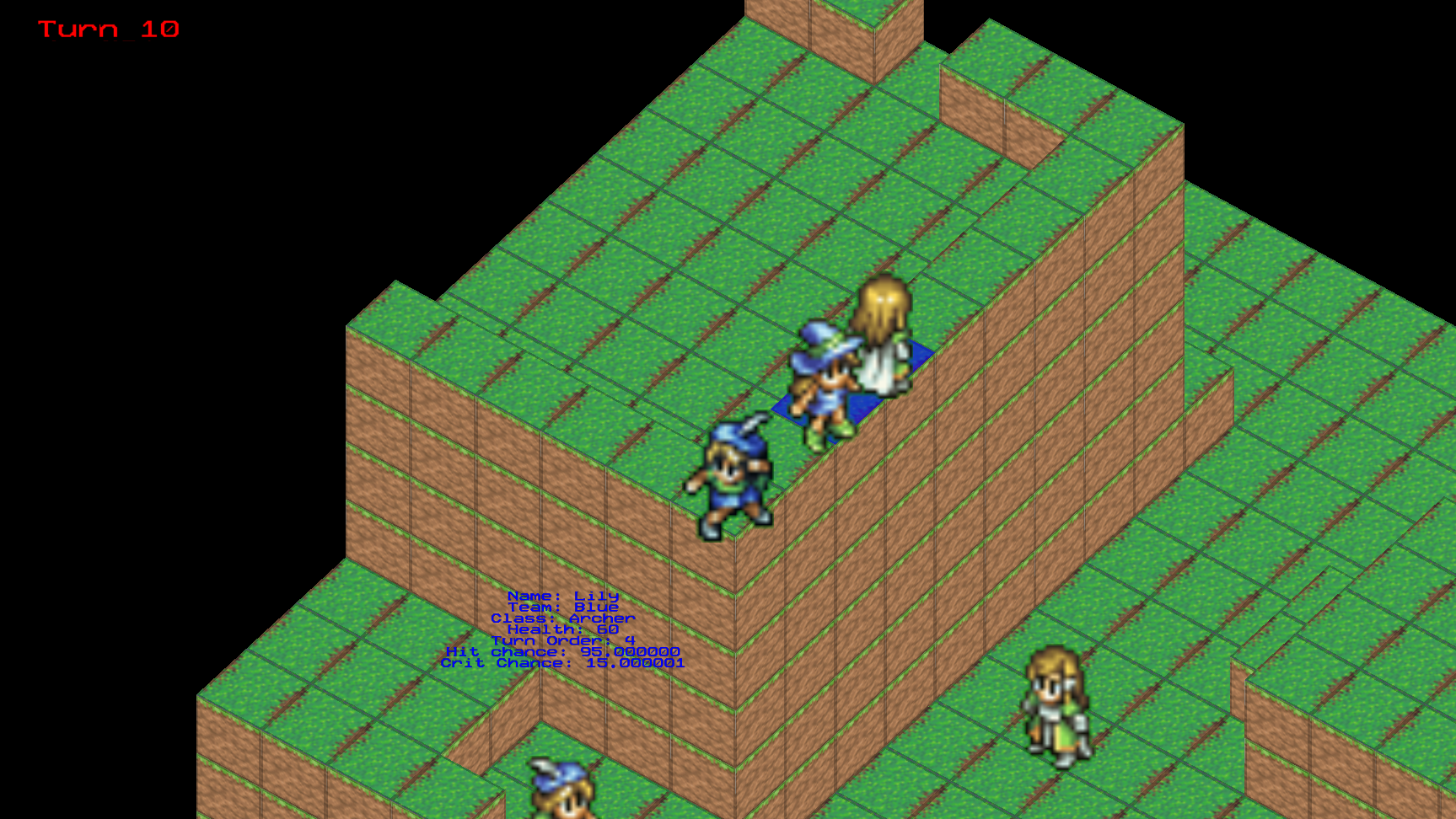
I joined Guildhall aspiring to be a Gameplay Programmer, as I’d loved the process of architecting and iterating on gameplay mechanics for the games I’d worked on earlier. A significant portion of the program involved building our own C++ game engines from scratch. The second semester involved a deep dive into graphics, and this was a turning point for me.
I then focused on specializing in graphics (instead of gameplay) through my course projects. After building my portfolio alongside my coursework and applying to numerous game studios, I finally landed a Graphics Programming job at Naughty Dog.
…wait, what is Graphics Programming?
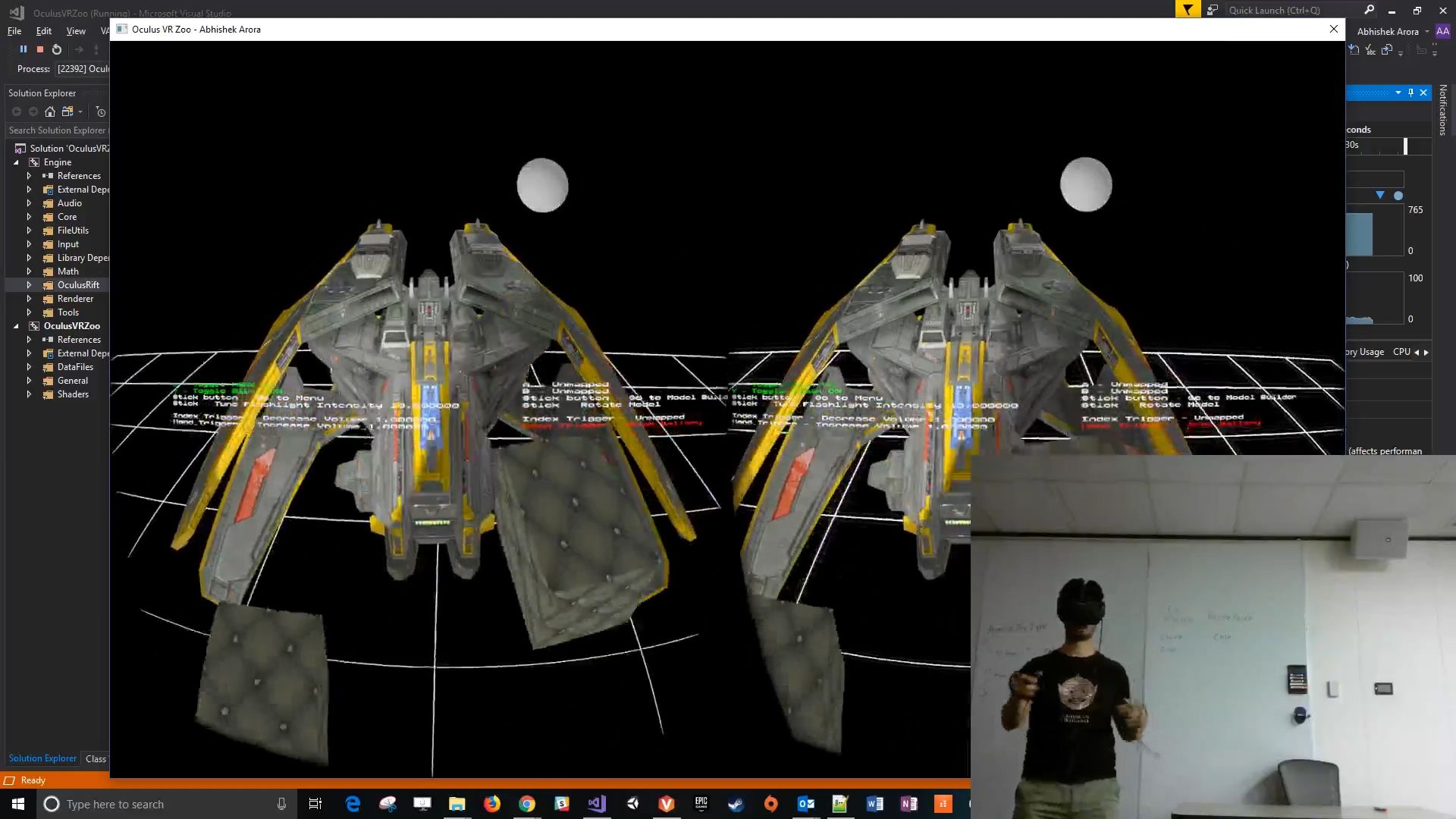
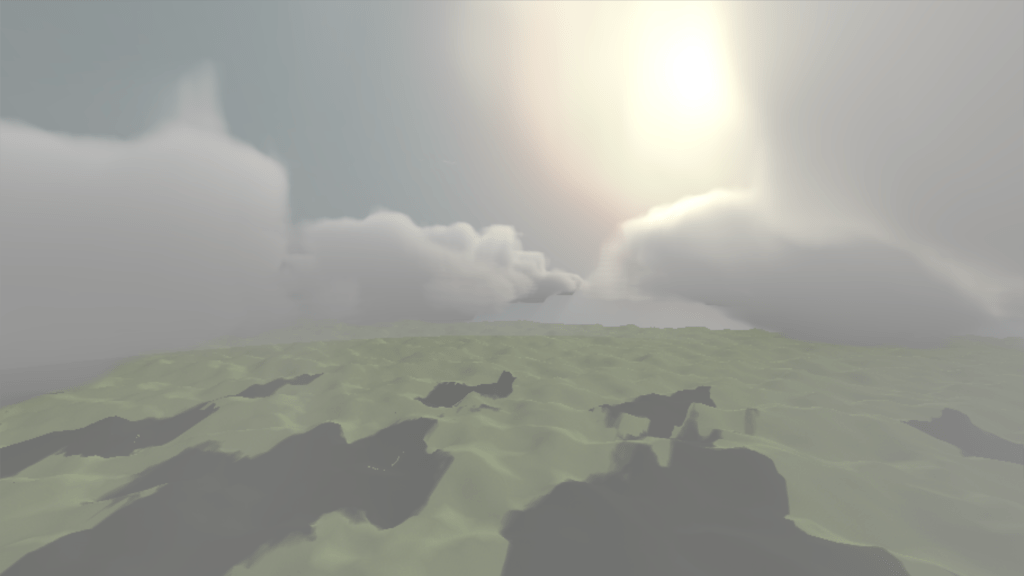
Very briefly, “Graphics Programming” entails:
- Using platform-specific libraries that let the CPU communicate with the GPU (graphics card) to draw things to graphics memory and output to the display. On PC, for example, the libraries used are OpenGL, Direct X, or Vulkan.
- Understanding the math (mostly linear algebra) that deals with the relationships of 3d objects with each other and the 2d screen and also the math behind lighting.
- Setting up how the scene is rendered and lit over multiple passes in an optimal manner.
- Writing shader code, which is code that runs on the GPU to produce numerous parallel outputs (like all the pixels on the screen) as a result of the commands built-in (1).
- Researching and implementing rendering features and post-process effects that will be used and tweaked by artists - these need CPU setup, shaders, and a great deal of math. Eg. skin, clouds/fog, water, anti-aliasing, depth of field, motion blur, etc.
- Understanding GPU architectures and how to optimize shader code to make the best use of the hardware.
Naughty Dog (2019-?)

I started working at Naughty Dog in August 2019 while the studio was deep into the development of The Last of Us Part II. The first graphics system I worked on was Depth of Field (DoF), which had a lot of visual artifacts at this late stage of the project. After researching various papers and presentations and playing around with the shader code, I managed to fix most of the issues. Lead Cinematic Lighting Artist Mari Wang and I presented our work at SIGGRAPH Asia 2020, a computer graphics conference, following the game’s release.
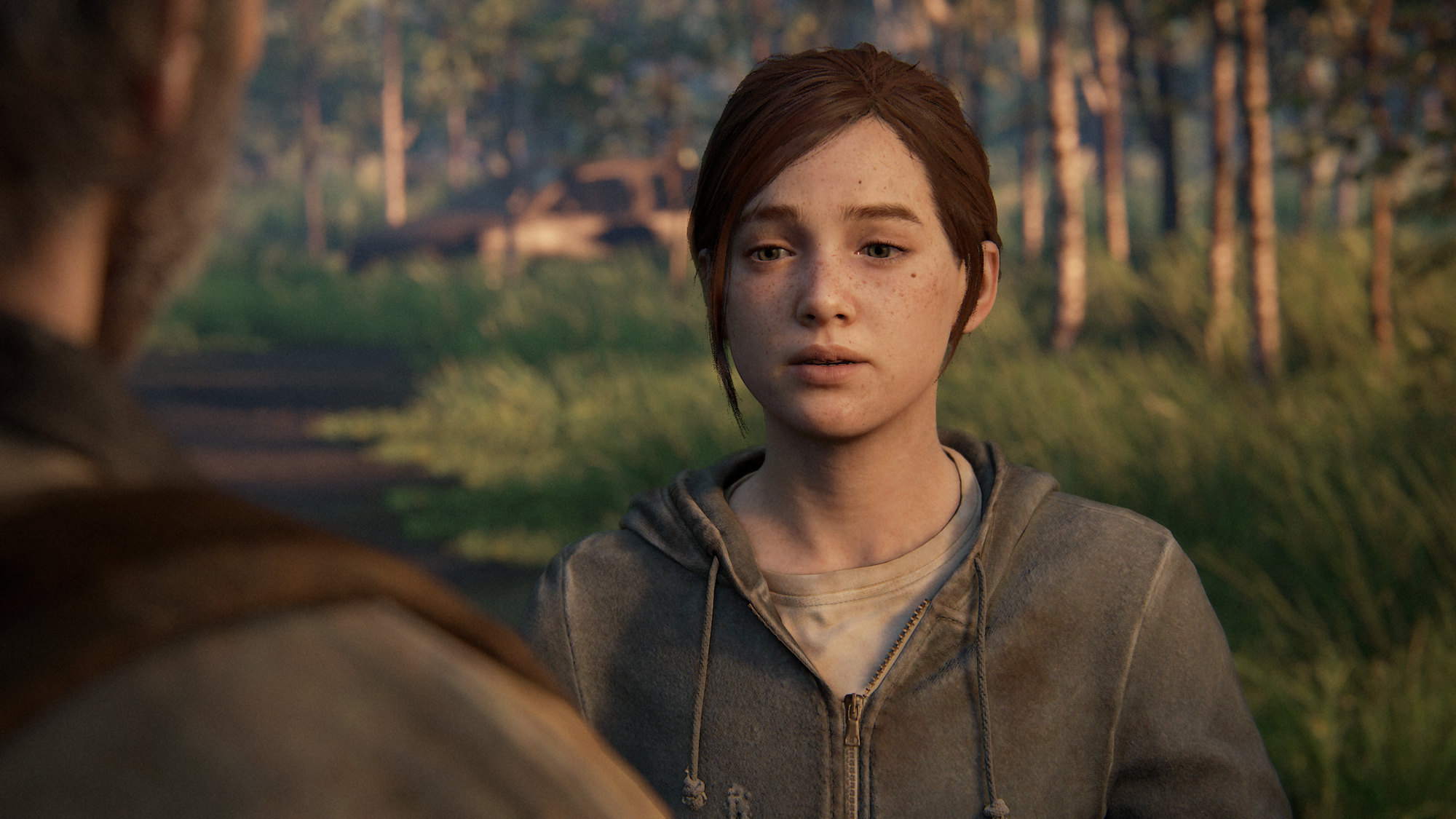
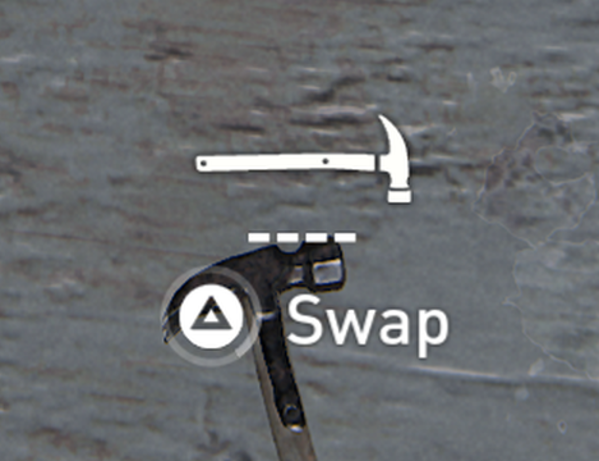
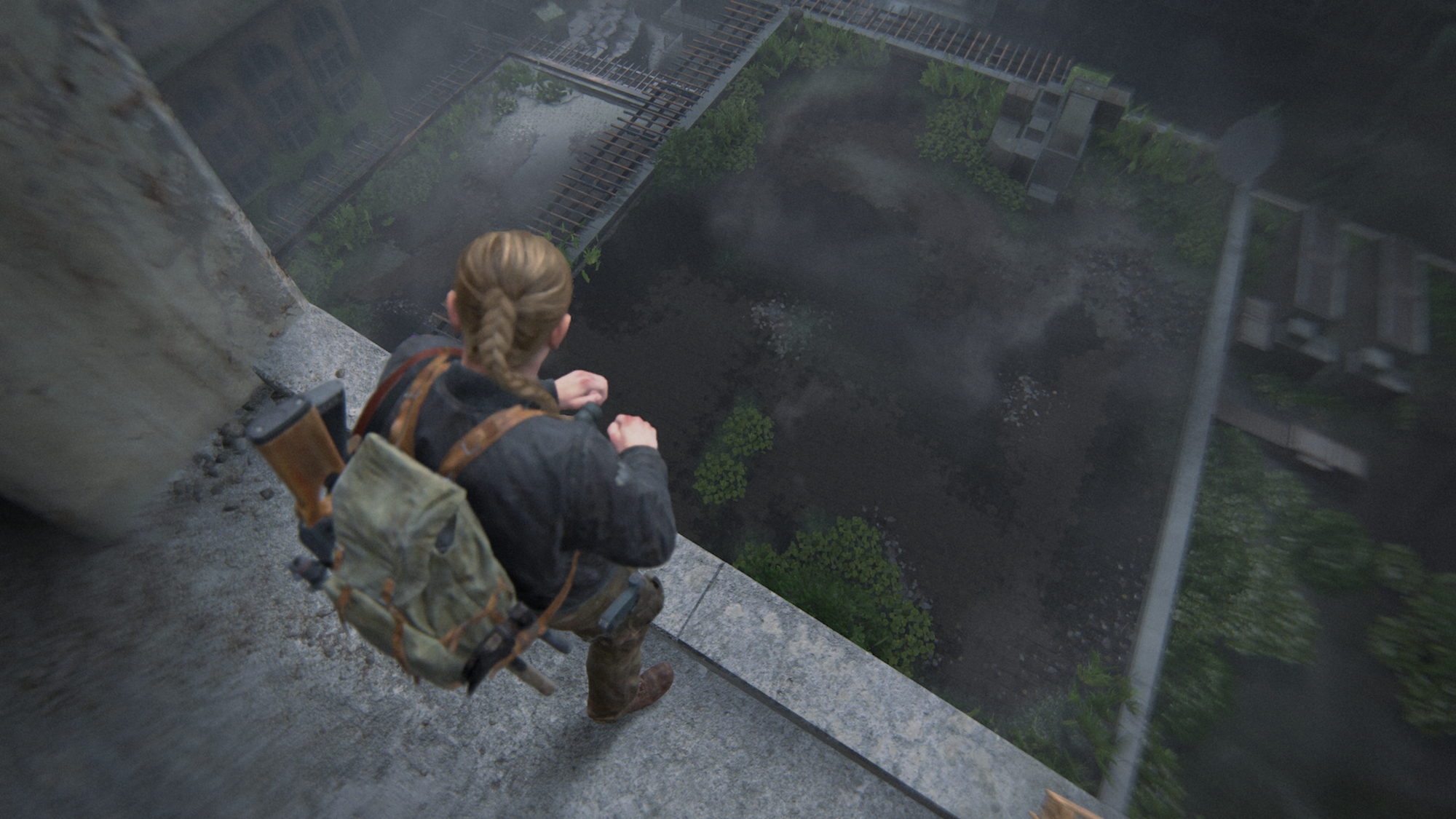
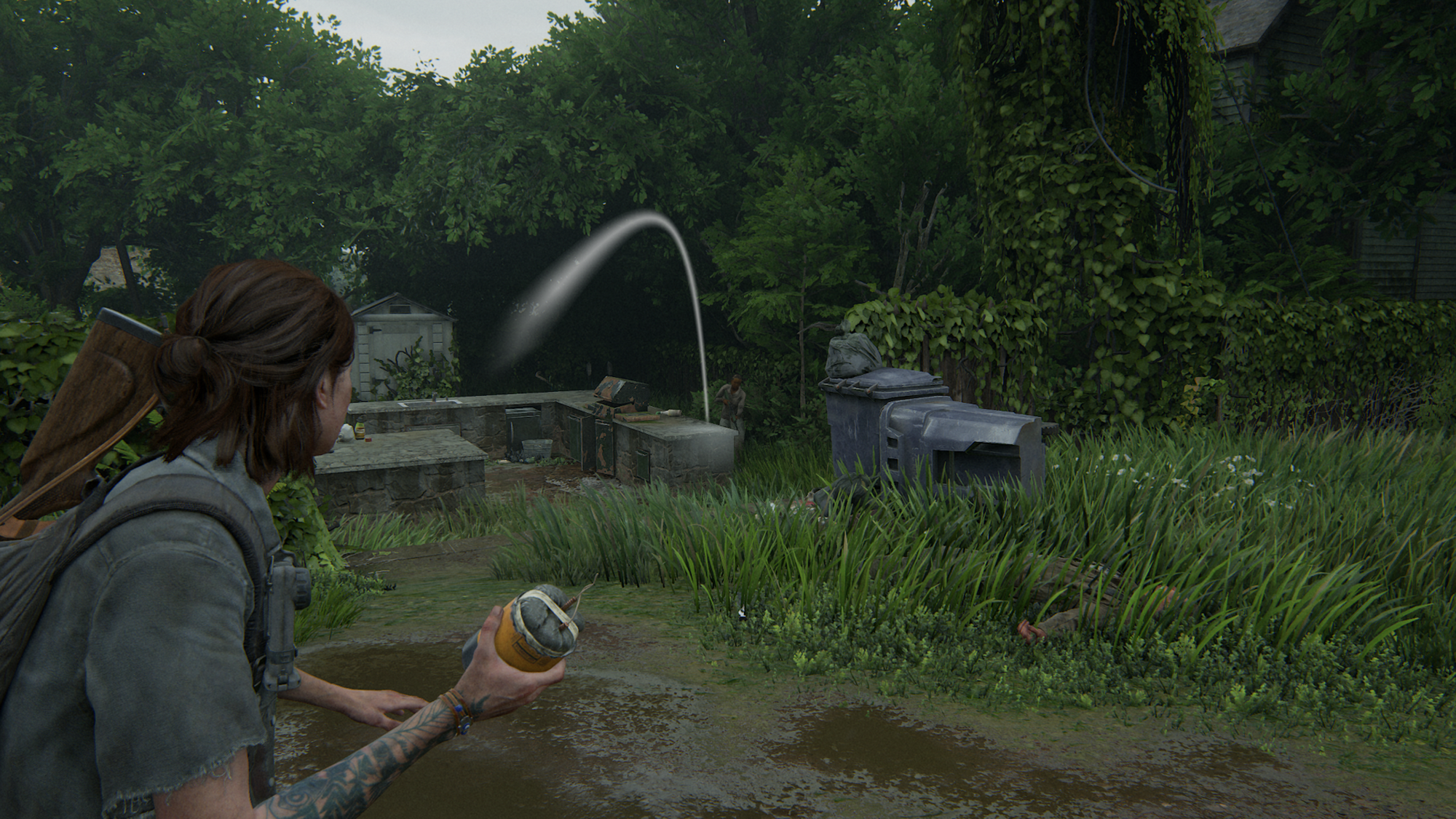
While this was my major contribution to The Last of Us Part II, I also worked with designers, artists, and animators on several other features like soft outlines for UI and accessibility, the vertigo camera, and the projectile throw arc.

The latest shipped game I worked on was Uncharted: Legacy of Thieves Collection, a PlayStation 5 remaster of two of our PlayStation 4 games, Uncharted 4: A Thief’s End and Uncharted: The Lost Legacy. I kicked off this project with Uncharted 4’s PS4 code and took it from an application that didn’t run at all on the PS5, to a black screen, to a visible game setup screen on the PS5. At this point, other programmers, designers, and artists were able to join in and get the rest of the game running, adding PS5 features like haptic feedback and enhancing the visuals to fully utilize the more powerful hardware. Once this parallel work was underway, I merged the platform code changes to The Lost Legacy and helped wherever else I could until we finally put development to rest at the end of 2021.
Back in September 2019, a month after I’d started in the game industry, a reveal trailer for The Last of Us Part II was released. I’d contributed towards hardly 10 seconds of this 3-minute trailer, but seeing the hype and excitement for the product I was a part of gave me the sense of fulfillment I was sorely missing in the software industry.
I hope this account resonates with anyone thinking of pursuing game development as a career who’s held back by the lack of an established path to it. The journey is full of learning and wonder, and the destination is well worth the effort.


